Mon–Sat: 9 AM – 5 PM
Article: Custom Dinnerware for Restaurants: Logo, Glaze, and Bespoke Programs
Custom Dinnerware for Restaurants: Logo, Glaze, and Bespoke Programs
For many restaurants, dinnerware is more than a vessel for food. It is a critical component of the brand experience. A custom dinnerware program allows a restaurant to extend its unique identity to the tabletop, creating a cohesive and memorable presentation that sets it apart from every other table in the market.
Three Tiers of Custom Dinnerware
Custom dinnerware programs typically fall into three tiers, each offering a different level of investment and brand expression.
| Program Tier | What It Includes | Best For | Typical Lead Time |
|---|---|---|---|
| Branded Dinnerware | Logo or brand mark applied to a standard plate shape | Restaurants wanting a cost-effective tabletop brand presence | 4-6 weeks |
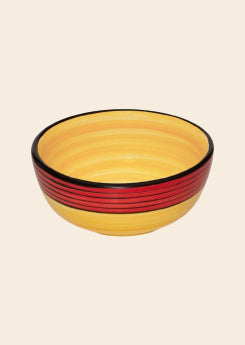
| Signature Glaze | Proprietary, custom-developed glaze color on a standard shape | Brands wanting an exclusive color identity | 8-12 weeks |
| Bespoke Collection | Completely new proprietary shape, often with signature glaze | High-end concepts wanting a fully unique tabletop | 16-24+ weeks |
Tier 1: Logo Application (Branded Dinnerware)
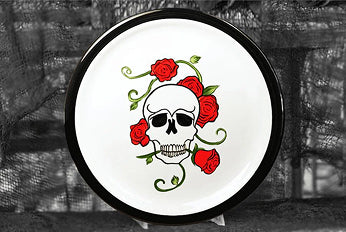
This is the most accessible entry point into custom dinnerware. The process involves applying your restaurant's logo as an in-glaze or over-glaze decal to an existing plate from the manufacturer's stock collection.
In-glaze application embeds the logo under a protective glaze layer during the final firing, making it as permanent as the plate itself. Over-glaze application is fired at a lower temperature after glazing, allowing for a wider range of colors including metallics, but with slightly less durability.
What you will need to get started: a high-resolution vector file of your logo, typically in .AI or .EPS format.
Tier 2: Signature Glaze (Custom Color Development)
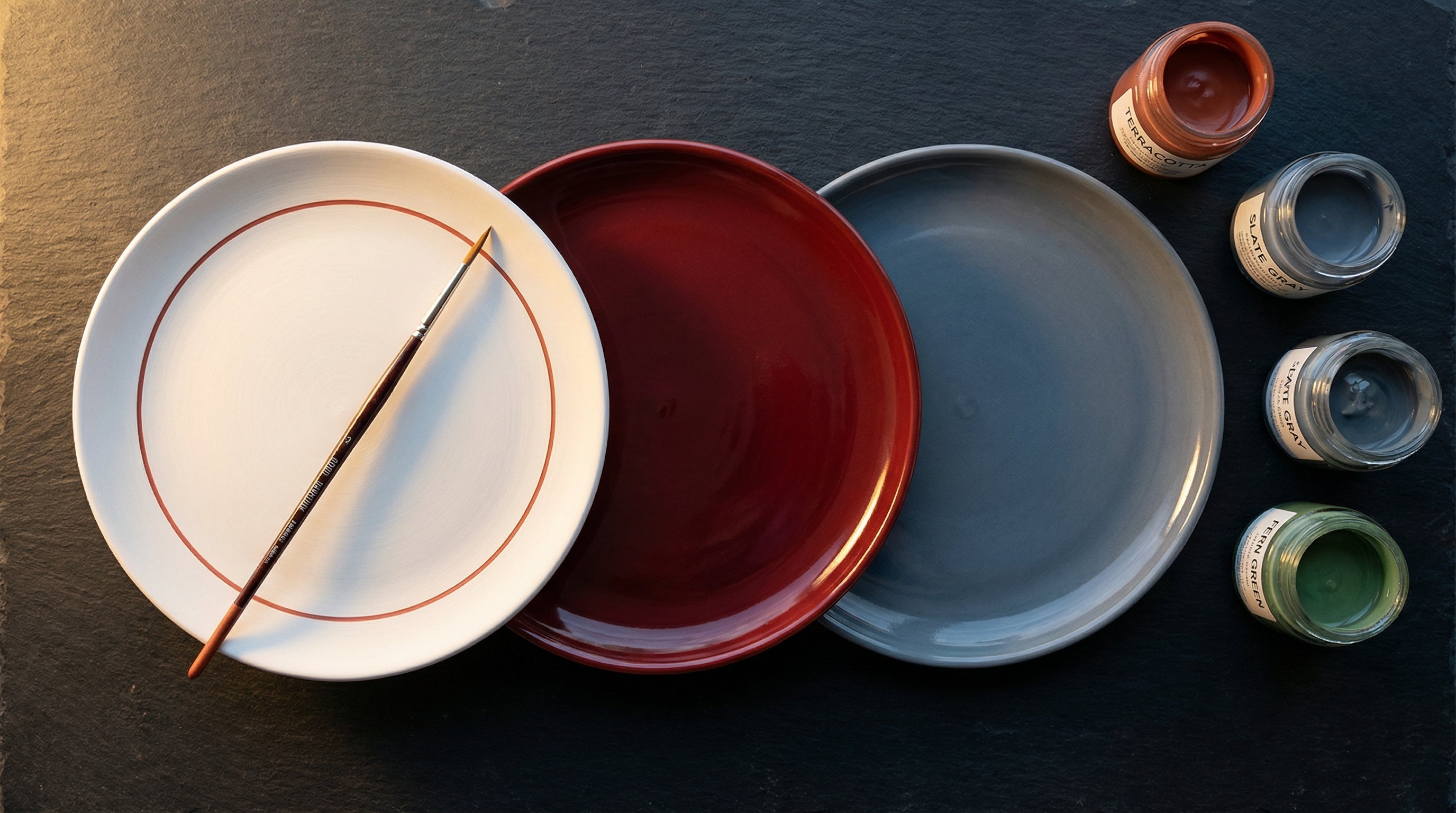
A signature glaze program creates a color that is uniquely yours. The process is a collaborative effort between your design team and the manufacturer's glaze laboratory.
The development process begins with color matching, where you provide a reference such as a Pantone chip, fabric swatch, or paint sample. The glaze lab then develops several formulations, testing them on the chosen ceramic body. You receive fired samples to review for color accuracy and finish (matte, satin, or gloss). Once approved, the formula is finalized and production begins.
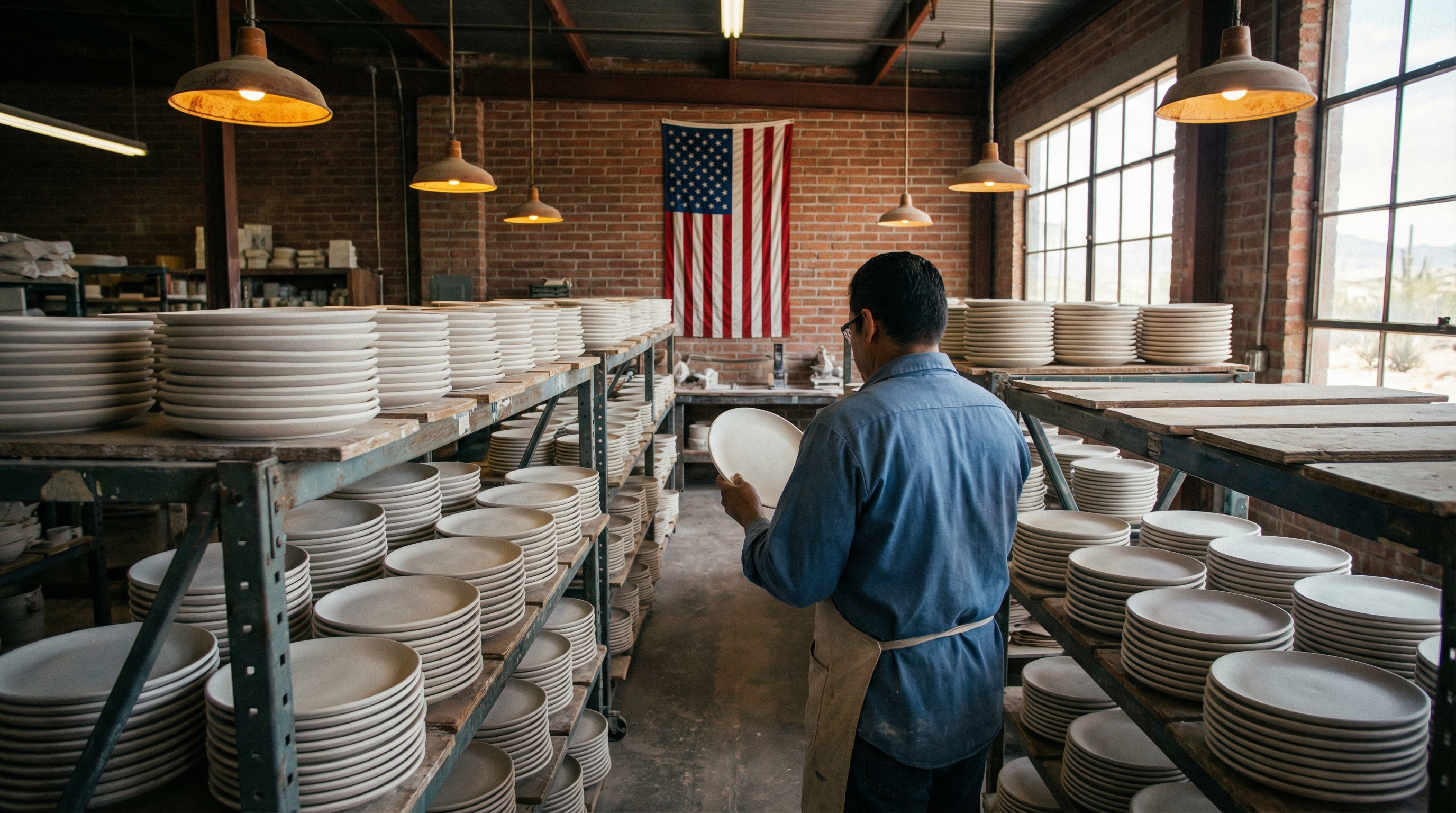
HF Coors operates an in-house glaze laboratory in Tucson, Arizona, with the capability to develop and test custom glaze formulations from scratch. Every custom glaze is certified lead-free; most glaze colors, including white, are cadmium-free.
Tier 3: Bespoke Shapes (Fully Custom Design)
A bespoke program is the ultimate expression of brand identity on the tabletop. It creates a shape that is entirely proprietary to your restaurant, moving from conceptual sketch to 3D model to physical prototype to production mold.
Developing a custom shape involves not only aesthetic design but also deep consideration of the plate's performance in a commercial kitchen: how it stacks, how it handles during service, how it holds sauce, and how it withstands thousands of dishwasher cycles. This is where working with a manufacturer that controls its own mold-making and production process becomes essential.
Why Manufacturing Control Matters for Custom Programs
The quality and success of a custom dinnerware program depends entirely on the manufacturer's control over its production process. When design, glaze development, mold-making, and firing all happen under one roof, the result is a more precise, consistent, and reliable product.
HF Coors operates its entire production process in a single facility in Tucson, Arizona. The in-house design team, glaze laboratory, mold shop, and kiln operations work in direct coordination, ensuring that every custom piece meets the exact specifications approved during the design phase.
Frequently Asked Questions
How much does custom restaurant dinnerware cost?
Cost varies by tier. A branded logo application on an existing shape is the most affordable option, typically adding a modest per-piece premium over stock pricing. Signature glaze programs involve a one-time development fee plus per-piece production costs. Bespoke shape programs require a larger upfront investment in mold development. Contact HF Coors for a detailed quote based on your specific requirements.
What is the minimum order for a custom program?
Minimum order quantities vary by program tier and manufacturer. HF Coors works with restaurants of all sizes, from independent chef-driven concepts to national groups with hundreds of locations. Request a consultation to discuss your specific needs.
Can I put my restaurant logo on dinnerware?
Yes. Logo application is the most common and accessible form of custom dinnerware. You provide a high-resolution vector file of your logo, and the manufacturer applies it as an in-glaze or over-glaze decal. In-glaze application is recommended for maximum durability in commercial environments.
How long does it take to develop custom dinnerware?
Branded logo application typically takes 4-6 weeks. Signature glaze development takes 8-12 weeks including sample approval. Fully bespoke shape programs take 16-24 weeks or more, depending on complexity. All timelines begin after design approval.
Can custom dinnerware be reordered?
Yes. Once a custom program is established, reorders are straightforward. HF Coors retains all mold tooling, glaze formulas, and logo artwork on file, making reorders faster and ensuring perfect consistency with your original order.
HF Coors has been creating custom commercial dinnerware in Tucson, Arizona since 2003. To start a conversation about a custom program for your restaurant, contact our commercial team.